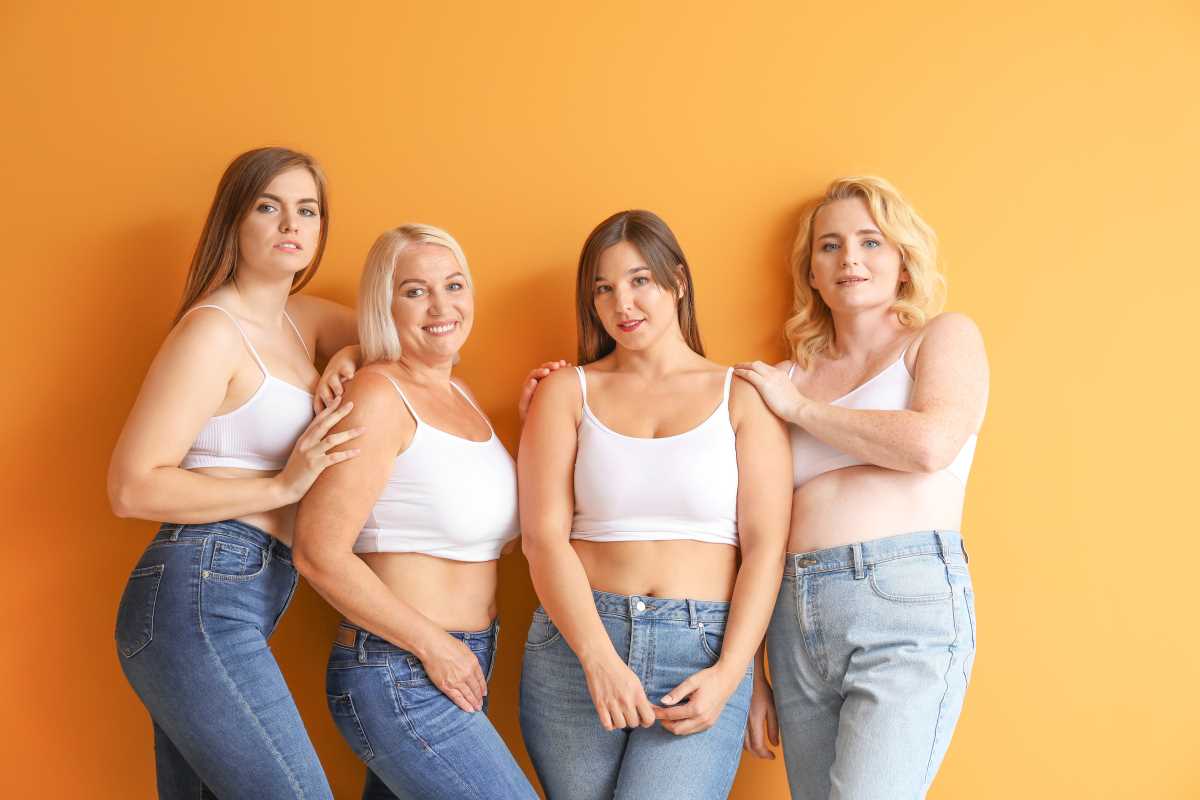
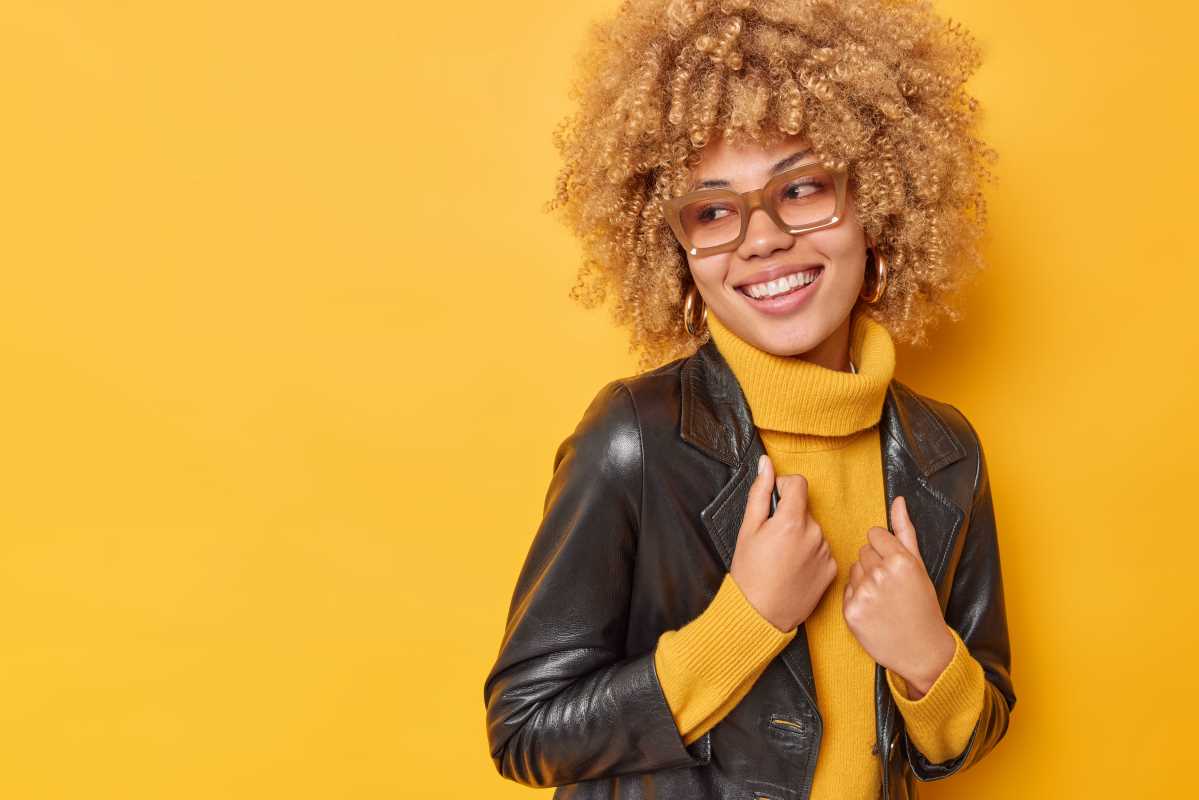
 (Image via
Fashion isn’t just about looking good—it’s about feeling good in what you wear. The right clothing choices can influence your comfort throughout the day, boost your confidence, and help you express your personality without saying a word. While trends come and go, developing a style that works for you is what truly makes a difference.
The key is finding balance: clothing that feels comfortable, fits well, and reflects who you are. When these elements align, your wardrobe becomes a tool for both self-expression and self-assurance.
Why Comfort Should Be the Foundation of Style
No matter how stylish an outfit looks, it won’t serve you well if it’s uncomfortable. Clothing that restricts movement, irritates your skin, or requires constant adjustment can quickly become a distraction.
Comfort starts with choosing the right fabrics and fits. Breathable materials like cotton, linen, and soft blends allow for better airflow, while properly fitted clothing supports ease of movement. This doesn’t mean sacrificing style—it simply means prioritizing how your clothing feels as much as how it looks.
When you’re comfortable, you naturally carry yourself better, which enhances your overall appearance.
The Power of Proper Fit
Fit is one of the most important—and often overlooked—elements of great style. Even expensive or trendy clothing can look unflattering if it doesn’t fit correctly.
Clothing that fits well should:
- Follow your natural shape without being too tight or too loose
- Allow for easy movement
- Sit properly on your shoulders, waist, and hips
Tailoring can make a significant difference. Small adjustments, like hemming pants or taking in a shirt, can transform an average outfit into something that feels custom-made.
Building Confidence Through What You Wear
Confidence often starts internally, but what you wear can reinforce how you feel about yourself. When you choose outfits that align with your personality and make you feel comfortable, it shows in your posture, attitude, and interactions.
Instead of dressing to impress others, focus on what makes you feel your best. This might mean sticking to certain colors, silhouettes, or styles that you know work for you.
Confidence also comes from consistency. Having a few go-to outfits that you trust can eliminate decision fatigue and help you feel prepared for any situation.
Developing a Personal Style That Feels Authentic
Personal style isn’t about copying trends—it’s about creating a look that reflects who you are. This takes time and experimentation.
Start by identifying what you’re naturally drawn to. Do you prefer minimal, classic pieces or bold, statement-making outfits? Are you more comfortable in structured clothing or relaxed, casual wear?
Once you recognize your preferences, you can begin building a wardrobe that feels cohesive and authentic. Over time, your style becomes a signature that people associate with you.
Choosing Versatile Wardrobe Staples
A well-rounded wardrobe doesn’t require an overwhelming number of clothes. In fact, having versatile staples often leads to better outfit combinations and less stress when getting dressed.
Some examples of versatile pieces include:
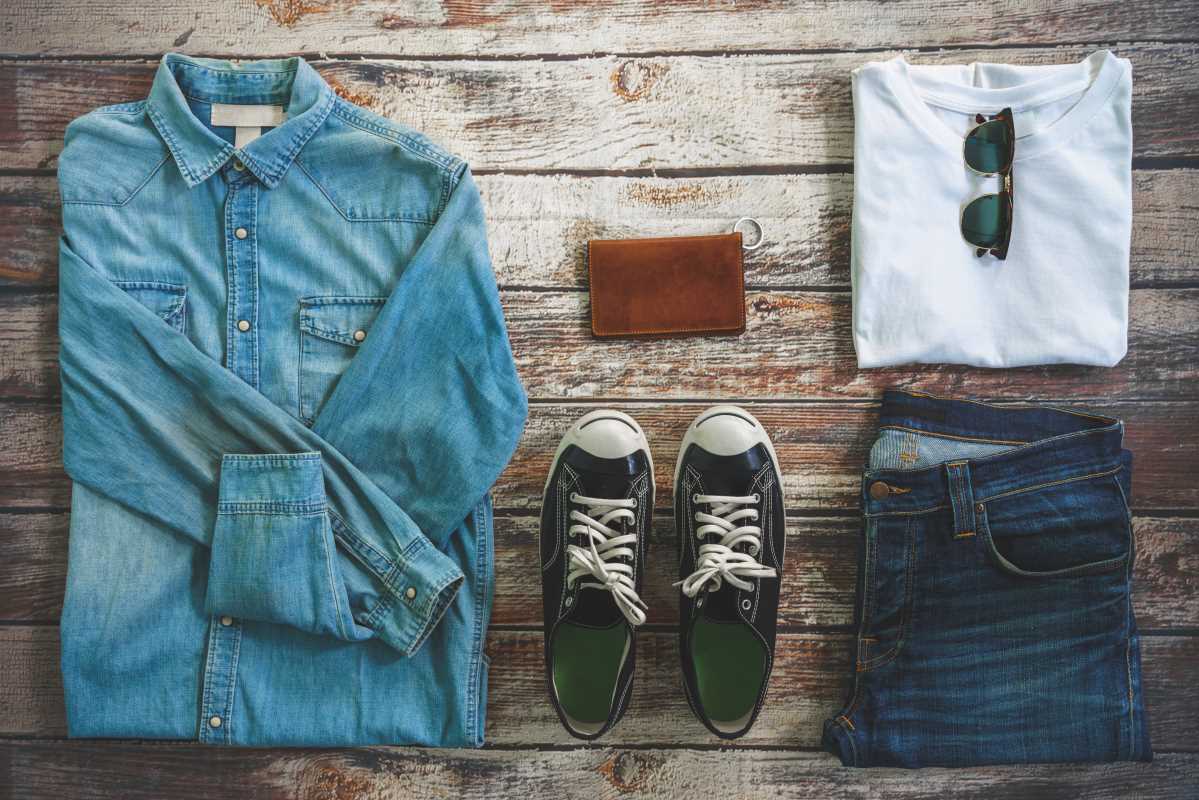
- Neutral-colored tops and bottoms
- Well-fitted jeans or trousers
- Comfortable, stylish shoes
- Layering items like jackets or cardigans
These items can be mixed and matched to create a variety of looks, allowing you to maintain both comfort and style without constantly buying new clothing.
Balancing Trends With Timeless Pieces
Fashion trends can be fun, but they’re not always practical for long-term use. Building a wardrobe entirely around trends can lead to frequent spending and a closet full of items that quickly feel outdated.
A better approach is to combine timeless pieces with a few trend-driven items. This allows you to stay current without losing your sense of personal style.
Timeless clothing—like classic denim, simple dresses, or neutral outerwear—provides a reliable foundation. Trends can then be added in small doses, such as accessories or seasonal items.
The Role of Color and Fabric in Comfort and Style
Color and fabric choices play a major role in how your outfits look and feel. Certain colors can enhance your mood and complement your skin tone, while others may feel less natural.
Similarly, fabric affects both comfort and appearance. Soft, breathable materials are ideal for everyday wear, while structured fabrics can create a more polished look.
Experimenting with different combinations helps you discover what works best for your lifestyle and preferences.
Dressing for Your Lifestyle
Your wardrobe should match your daily routine. Clothing that works for one lifestyle may not be practical for another.
If you have an active schedule, prioritize durable, flexible clothing. If your environment is more formal, focus on polished yet comfortable options.
The goal is to ensure that your clothing supports your activities rather than complicates them. When your wardrobe aligns with your lifestyle, getting dressed becomes easier and more intuitive.
Paying Attention to Small Details
Sometimes, it’s the smallest details that make the biggest impact. Accessories, grooming, and how you put an outfit together can elevate your overall look.
This might include:
- Choosing the right shoes for the occasion
- Adding simple accessories like watches or jewelry
- Keeping clothing clean, pressed, and well-maintained
These details don’t require much effort, but they can significantly enhance both your style and confidence.
Simplifying Your Wardrobe for Better Choices
A cluttered wardrobe can make it harder to find outfits you actually enjoy wearing. Simplifying your clothing collection allows you to focus on pieces that truly work for you.
Consider removing items that no longer fit, feel comfortable, or reflect your style. This creates space for clothing that supports your goals and makes daily decisions easier.
A streamlined wardrobe often leads to more consistent, confident outfit choices.